
Wildfire risk in Colorado isn’t just a “someday” problem anymore. It’s a real and growing concern, especially when changing weather conditions can quickly increase fire behavior and spread.
The good news is that smart, well-planned fire mitigation strategy can significantly reduce your fire risk. Strategic vegetation management, proper spacing, and ongoing maintenance all play a critical role in protecting your home and property.
This checklist breaks down exactly what matters most so your property has a fighting chance when wildfire conditions arrive.
Table of Contents
TL;DR: How can I protect my home from wildfires?
Answer:
Stay Informed. Stay Ready.
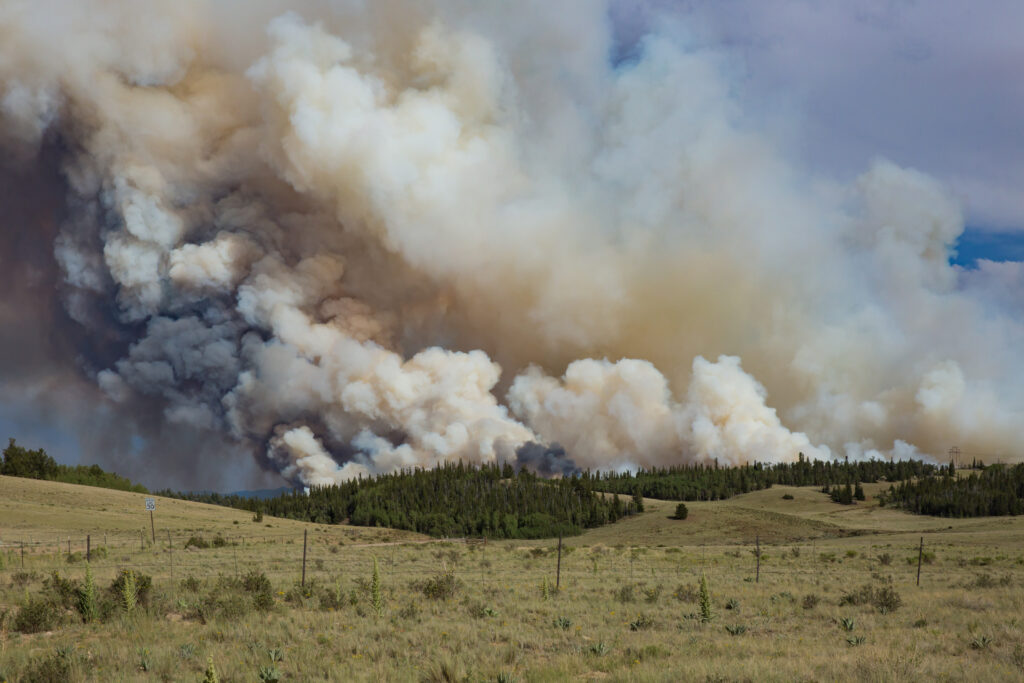
Wildfire mitigation is all about stacking the odds in your favor, and one of the simplest ways to do that is by staying informed. Fires along the Front Range can move fast, shift direction with the wind, and impact areas miles away. Having the right tools in place ahead of time means you aren’t scrambling for information when it matters most.
Here are some of the most useful resources for homeowners in Colorado Springs and across the Front Range:
- Peak Alerts
Sign up to receive real-time emergency notifications, including evacuation orders and wildfire alerts specific to your area. - Colorado Springs Fire Department Ready + Know Your Zone
Helps you identify your evacuation zone and understand what to do if an evacuation is called.
- Colorado Division of Fire Prevention and Control
Tracks active fires, fire restrictions, and statewide wildfire conditions. - InciWeb
Provides detailed updates on larger wildfires, including containment progress and maps. - AirNow Fire and Smoke Map
Monitors real-time smoke conditions so you can protect your health when air quality declines. - COTREX
A Colorado-specific app that shows wildfire activity, closures, and conditions, especially helpful if you spend time outdoors. - Watch Duty
A popular app that provides near real-time wildfire updates and community-driven reporting. Great supplemental tool for staying aware of developing situations.
Staying informed doesn’t prevent wildfires, but it does give you time to respond, adjust, and protect what matters most. Think of it as another layer of defense right alongside your defensible space and mitigation efforts.
What’s Defensible Space? Why Does it Matter?
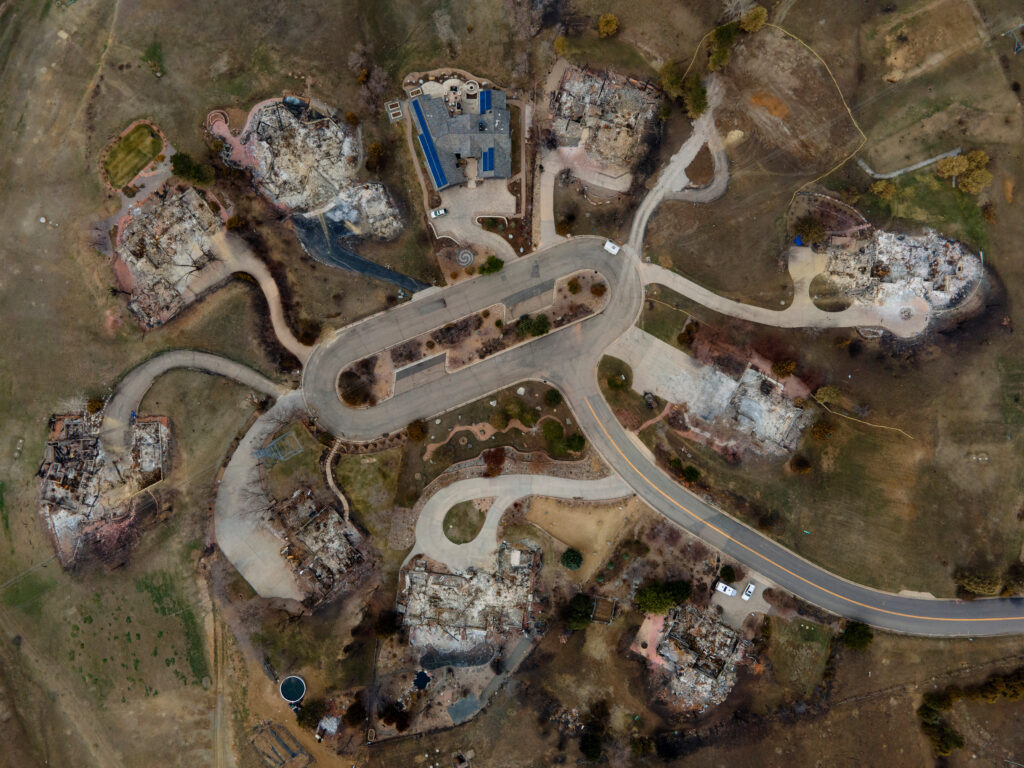
Before we get into the checklist, let’s talk defensible spaces.
Defensible space is the buffer zone between your home and surrounding vegetation. Its job is simple but powerful:
- Slow wildfire spread
- Reduce available fuel
- Give firefighters safer access
- Lower the chance of your home igniting from embers
Homes with properly maintained defensible space are significantly more likely to survive wildfire events. Defensible space is typically broken into three zones, each with a specific role in reducing risk:
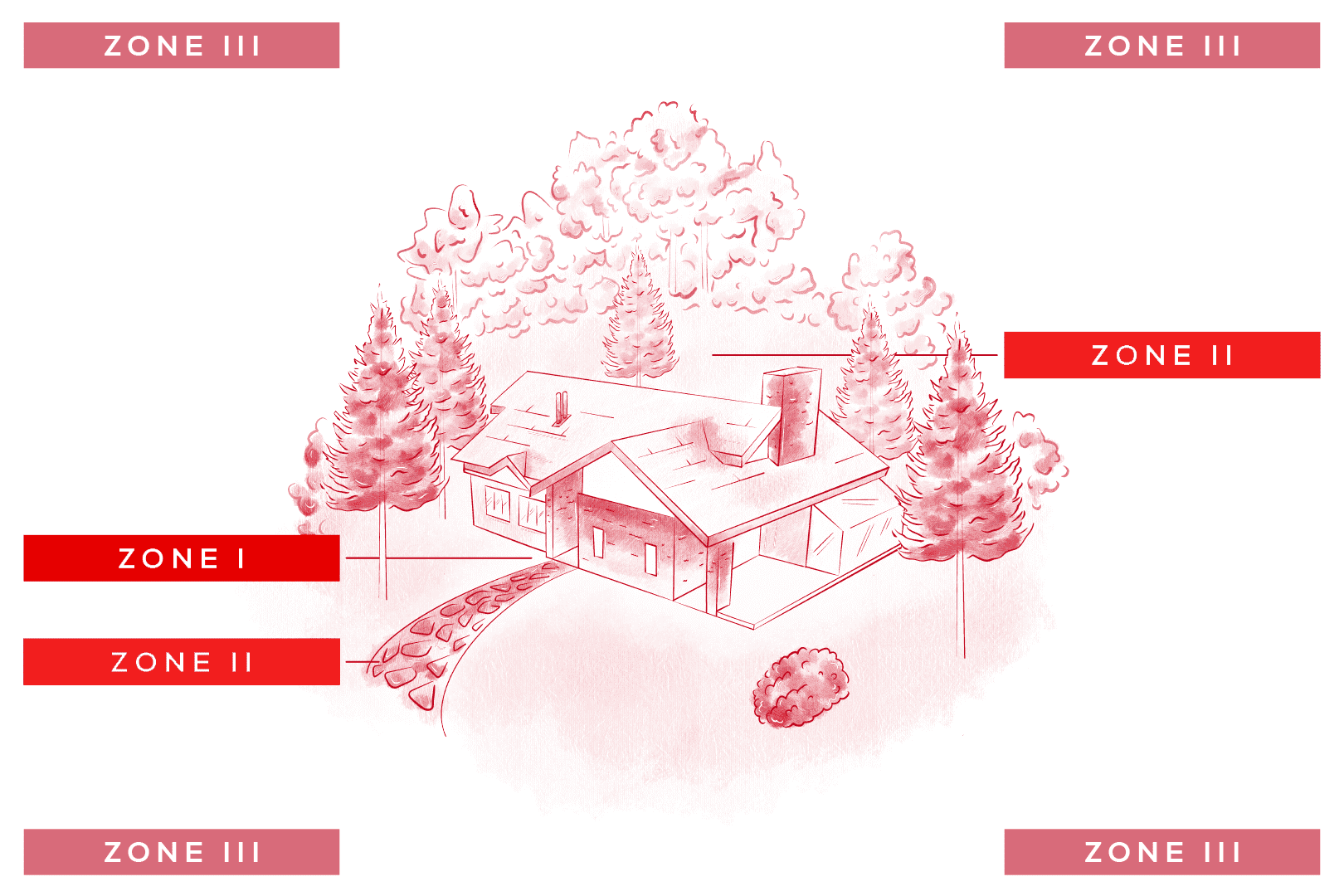
Zone I: Immediate Zone (0 to 5 feet)
This is your “no nonsense zone.” If it can burn, it shouldn’t be here.
Zone II: Intermediate Zone (5-30 feet)
This is where we start spacing plants and reducing ladder fuels.
Zone III: Extended Zone (30-100 feet)
This zone slows fire down before it ever reaches your home.
These are also called “Home Ignition Zones” by the National Wildfire Coordinating Group (NWCG).
Fire Mitigation Checklist: What to Actually Do

Zone I
Harden the Home Perimeter
[0-5 feet]
This is the most critical area surrounding your home. The goal here is to eliminate anything that could ignite from embers.
- Remove mulch, dry dead leaves, and flammable plants. This includes grass, shrubs, and trees
- Replace combustible materials with rock, gravel, or pavers
- Keep patio furniture and décor fire resistant or minimal
- Store firewood well away from the structure
- Clean gutters, roofs, and roof edges regularly
- Remove flammable materials directly next to the structure
Even small amounts of debris in this area can create an opportunity for embers to start a fire.
Zone II
Slow the spread
[5-30 feet]
This zone focuses on reducing fire intensity and limiting how easily flames can spread.
- Space trees so crowns don’t touch
- Remove ladder fuels (shrubs or small trees growing under larger ones)
- This is where fire is allowed to climb up through layers of vegetation.
- Keep grass mowed and well maintained
- Prune lower tree branches to reduce vertical fire spread
- Remove dead and diseased plants, branches, and debris regularly
- Avoid dense planting that creates continuous fuel paths
The goal is to create separation between fuels so fire cannot move quickly or climb from the ground into tree canopies.
Zone III
Create fire resistance at scale
[30-100 feet]
This outer zone helps slow a wildfire before it reaches the more critical areas closer to your home.
- Thin dense tree and shrub groupings
- Remove dead or dying vegetation
- Maintain spacing between clusters of plants and trees
- Break up continuous vegetation with hardscape or natural barriers
This part of the zone protects and enhances the surrounding forest. This promotes healthy growth and reduces the risk of dead limbs and leaves that can easily spread fire.
If you live on a hill, consider extending all zones since fire spreads quickly on hills.
Properties located on slopes often require larger defensible space zones because wildfire behaves differently on steep terrain. As fire burns uphill, heat rises and preheats vegetation above the flames, causing grasses, shrubs, and trees to ignite more quickly. This allows fire to spread faster and with greater intensity than it would on flat ground.
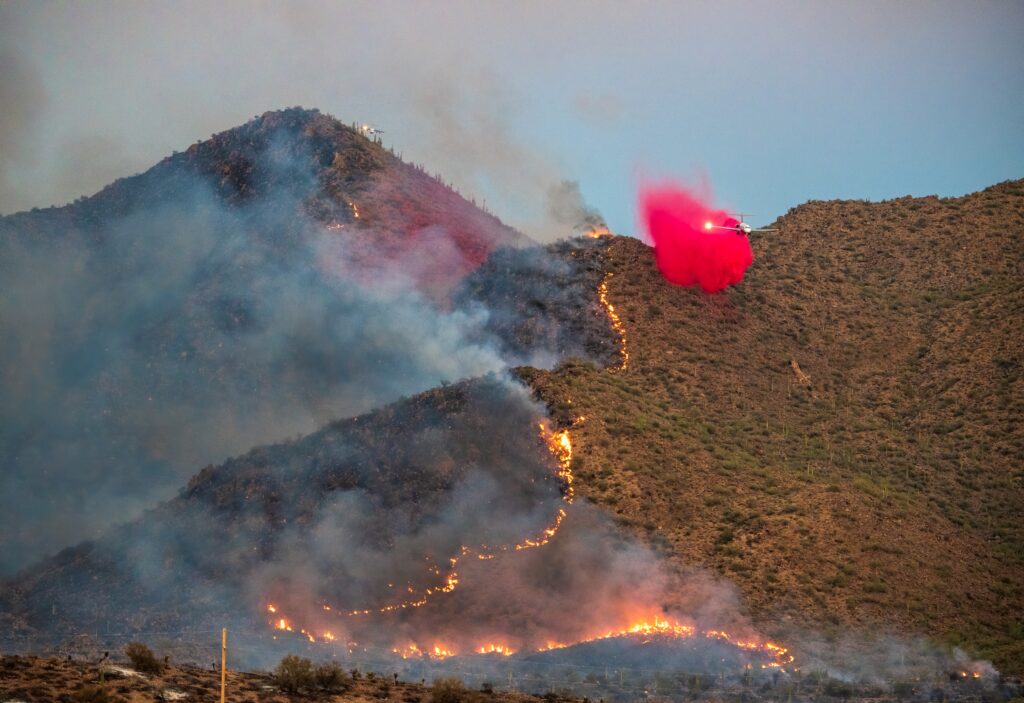
The steeper the slope, the faster a wildfire can move uphill. Flames may also become longer, increasing the likelihood of igniting tree canopies, structures, or vegetation located farther away. Because of this increased fire behavior, many fire mitigation professionals recommend extending defensible space zones beyond standard distances when homes are located on hillsides or in mountainous terrain.
If your property is situated on a slope, consider consulting a fire mitigation professional to determine whether additional vegetation thinning, tree pruning, or expanded defensible space is appropriate for your site.
Your Yard Is Part of the Fire Defense System
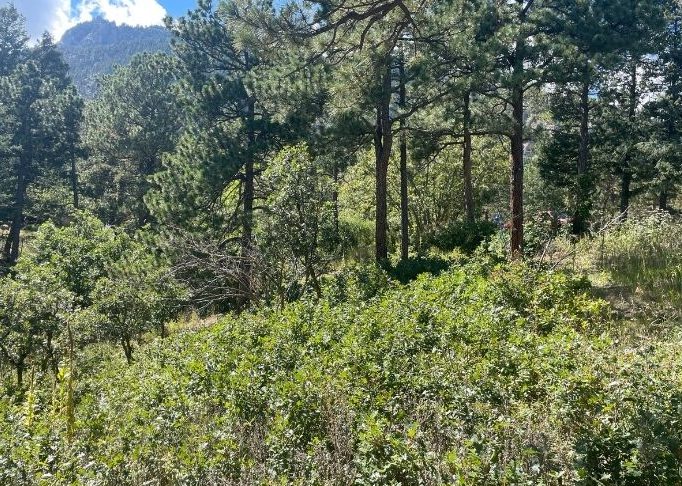
Before Fire Mitigation
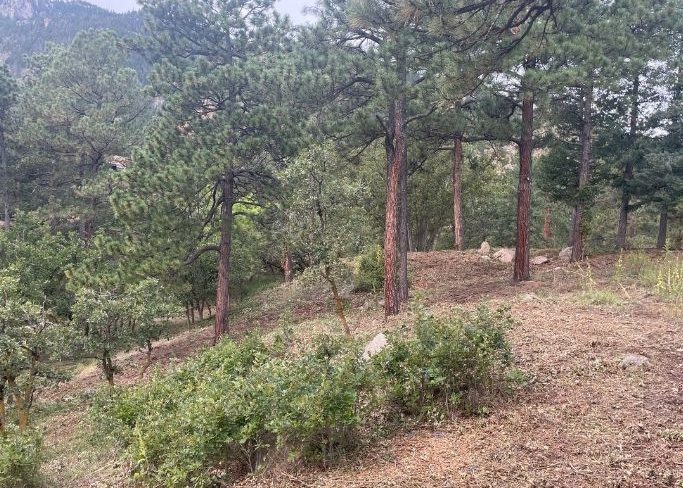
After Fire Mitigation
Fire mitigation isn’t about stripping your yard bare. It’s about designing it smarter.
Take into consideration the species of vegetation when planting on your property. Maple trees, for instance, are going to be more fire resistant plan plants like junipers.
Think of it like landscaping with a safety mindset built in. You can still have beauty, trees, and structure… just with a little more breathing room and a lot less “fire runway.”
Download Your Fire Mitigation Checklist
Structural Hardening
Fire Doesn’t Care About Your Landscaping Alone
Fire mitigation isn’t limited to vegetation. The structure itself plays a critical role in how vulnerable your home is during a wildfire event.
Embers can enter small openings, collect on surfaces, and ignite materials otherwise overlooked. Reducing these risks starts with thoughtful material choices and regular maintenance. Installing ember resistant vent screens and covering vents with fine wire mesh helps prevent embers from entering attics or crawl spaces. Roofing materials should be fire resistant whenever possible, as the roof is one of the most common ignition points.
Keep decks clear of debris, especially underneath, where dry material can accumulate unnoticed. Seal any gaps or openings around the home to limit entry points for embers. If you’re upgrading windows, tempered or multi pane glass offers better resistance to heat exposure.
Maintenance Matters More Than One-Time Cleanup
Fire mitigation is not a "do it once and forget it" project. It requires regular attention throughout the year.
- Re-check gutters seasonally
- Trim vegetation regularly during growing season
- Remove debris after wind events
- Adjust spacing as plants mature
Without consistent upkeep, even a well-designed mitigation plan can quickly lose its effectiveness.
Protecting Your Property Starts with a Plan
Every property has unique wildfire risks. Factors such as slope, tree density, vegetation type, prevailing winds, and nearby open space all influence how a fire could behave. While general fire mitigation guidelines provide an excellent starting point, a professional assessment can identify risks that may not be immediately obvious.
At Front Range Arborists, we provide comprehensive fire mitigation services designed specifically for Colorado properties. During your consultation, our experienced arborists evaluate your property’s vegetation, terrain, surrounding landscape, and existing defensible space to develop a mitigation plan tailored to your needs.
Our fire mitigation services focus on reducing hazardous fuels, improving forest health, and creating defensible space that helps slow wildfire spread while preserving the beauty of your landscape whenever possible.
Whether you own a single family home, manage a commercial property, or oversee public land, our team has the expertise to develop a strategy that improves safety and reduces wildfire risk.
Schedule Your Free Fire Mitigation Consultation
Explore our full range of tree care services, including: